


Can I Drive a Box Truck with A 28 Foot Trailer Without CDL in Ohio
May 13, 2026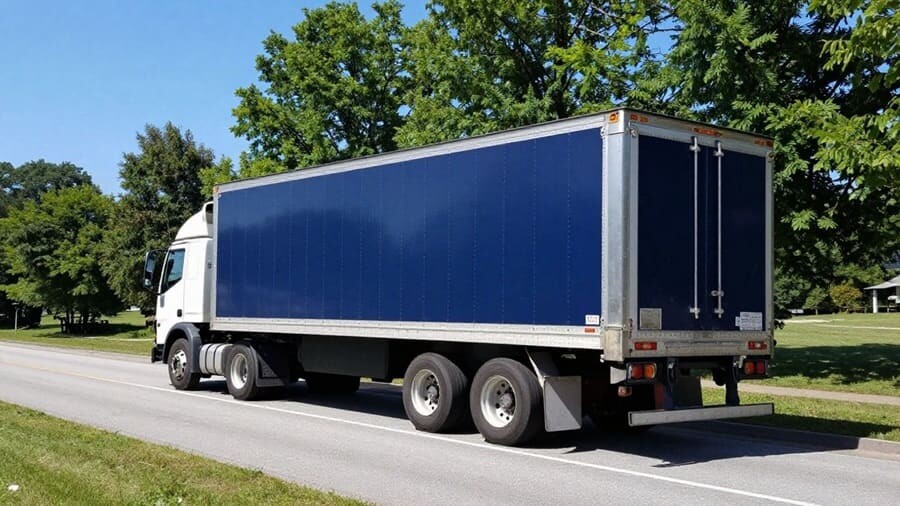
So, you’re wondering if you can hop into a box truck with a 28-foot trailer and hit the road in Ohio without a special license? It’s a common question, especially if you’re moving or need to haul something big. The rules can seem a bit confusing, with different weight limits and uses for the truck playing a part. Let’s break down what you need to know so you don’t run into any trouble.
Key Takeaways
- In Ohio, whether you need a CDL for a box truck mainly depends on its Gross Vehicle Weight Rating (GVWR). If the GVWR is under 26,000 pounds, you generally don’t need a CDL for personal use.
- Pulling a 28-foot trailer adds another layer. The combined weight of the truck and trailer is what matters. If this combined weight, or the trailer’s GVWR itself, crosses certain thresholds, a CDL might be required.
- Using the box truck for commercial purposes, like hauling goods for a business, often changes the rules, even if the truck’s weight is below the CDL threshold.
- Ohio follows federal guidelines but can have its own rules for driving within the state (intrastate). Always double-check the specific GVWR listed on the truck’s doorjamb.
- Even if a CDL isn’t legally required, taking a training course for driving larger vehicles is a good idea for safety, especially with a trailer.
Understanding CDL Requirements for Box Trucks in Ohio
So, you’re wondering if you need a Commercial Driver’s License (CDL) to drive a box truck in Ohio, especially when you’re thinking about a 28-foot trailer. It’s a common question, and the answer isn’t always a simple yes or no. It really boils down to a few key things about the vehicle itself.
What is a Box Truck?
A box truck, sometimes called a straight truck or cube truck, is basically a truck chassis with a separate cargo box mounted on the back. The cargo area is completely enclosed and usually has a roll-up door at the rear. You’ve probably seen them used for moving, deliveries, or hauling goods. They’re different from tractor-trailers where the cab and the trailer are separate units. If you’re looking at used box trucks for sale in Ohio, understanding their specs is the first step.
Key Factors Determining CDL Needs
The main factor that determines if you need a CDL in Ohio for a box truck isn’t just the length of the truck or trailer, but its weight. Specifically, it’s about the Gross Vehicle Weight Rating (GVWR). This is the maximum weight the vehicle is designed to carry, including the truck itself, fuel, passengers, and cargo. If the GVWR of the truck is 26,000 pounds or less, you generally do not need a CDL to operate it in Ohio for non-commercial purposes. However, this can change if you’re hauling certain types of cargo or operating commercially.
The Role of Gross Vehicle Weight Rating (GVWR)
GVWR is the most important number to check. You can usually find this information on a sticker inside the driver’s side doorjamb of the truck. It’s not about how much the truck weighs right now, but its maximum legal operating weight. For example, a typical 26-foot box truck might weigh around 15,000 pounds empty, but its GVWR could be much higher. If that GVWR goes over 26,000 pounds, then you’re entering CDL territory.
Here’s a quick rundown:
- Under 26,001 lbs GVWR: Generally, no CDL is required.
- 26,001 lbs GVWR or more: A CDL is typically required.
It’s always best to verify the specific GVWR of any truck you plan to drive. This is the primary factor for Ohio CDL requirements for box truck and trailer combinations when the trailer is attached.
Remember, even if a truck’s GVWR is under the threshold, certain situations like transporting hazardous materials will always require a CDL, regardless of weight. Always double-check the specific rules for your situation.
Navigating Ohio’s Specific CDL Regulations
So, you’re wondering about the rules for driving a bigger truck in Ohio, right? It can get a little confusing because there are federal rules, and then each state, including Ohio, can have its own spin on things, especially for driving within the state.
Federal vs. State CDL Laws
The federal government, through the Federal Motor Carrier Safety Administration (FMCSA), sets the baseline for when a Commercial Driver’s License (CDL) is needed. Generally, this applies when you’re driving a vehicle that weighs a lot or is used for business. But here’s the kicker: states can add their own rules for driving only within their borders (that’s called intrastate transport). This means what’s okay in one state might not be in another, even if you’re just driving across town. Ohio follows federal guidelines but also has specific rules for intrastate operations. It’s always best to check the most current Ohio BMV regulations to be sure.
Intrastate Transport Rules in Ohio
When you’re driving a vehicle solely within Ohio, the state’s specific rules apply. This is where things can get a bit murky. If your truck and trailer combination meets certain weight thresholds, even if you’re just moving goods from one Ohio town to another, you might need a CDL. The key is understanding how Ohio interprets ‘commerce’ and vehicle weight for licensing purposes. For example, if you’re using the truck for any kind of business, even local deliveries or services, and the vehicle’s weight is high enough, a CDL could be required.
Checking Your Vehicle’s GVWR
This is super important. GVWR, or Gross Vehicle Weight Rating, is the maximum weight your vehicle is designed to carry, including the vehicle itself, passengers, and cargo. You can usually find this information on a sticker inside the driver’s side doorjamb or in the owner’s manual. For a box truck, this rating is critical. If the GVWR of the truck alone is over 26,000 pounds, you’re likely entering CDL territory. When you add a trailer, the combined weight and the trailer’s own GVWR become even more significant factors. You can find a wide variety of trucks, including box trucks, at places like Robertson Truck Group in Ohio, but knowing the GVWR beforehand is key.
The weight ratings are what matter, not necessarily what you’re actually carrying at any given moment. It’s about the vehicle’s capability and how it’s being used.
Driving a Box Truck with a 28-Foot Trailer Without a CDL
So, you’ve got a box truck and a 28-foot trailer, and you’re wondering if you can legally drive it in Ohio without a Commercial Driver’s License (CDL). It’s a common question, especially if you’re moving or running a small business. The short answer is: it depends, and you really need to check the specifics.
Trailer Weight Considerations
When you add a trailer to a box truck, the total weight becomes the main factor. Even if the box truck itself has a Gross Vehicle Weight Rating (GVWR) under the 26,000-pound limit that typically requires a CDL, attaching a trailer changes things. You have to consider the combined weight of the truck and the trailer.
Combined Weight Ratings (GCWR)
This is where the Gross Combination Weight Rating (GCWR) comes into play. The GCWR is the maximum total weight that your vehicle combination (truck plus trailer) is designed to handle. In Ohio, if the combined weight of your truck and trailer exceeds 26,001 pounds, and the truck’s GVWR is over 10,000 pounds, you’re likely going to need a CDL. Specifically, a Class A CDL is usually required for combinations of vehicles where the trailer has a GVWR of 10,001 pounds or more, and the combined weight is over 26,001 pounds. It’s not just about the truck’s weight alone.
When a CDL Becomes Necessary
Here’s a breakdown of when that CDL becomes a must:
- Exceeding Weight Limits: If the total weight of the box truck and the 28-foot trailer, when hitched together, goes over 26,000 pounds, a CDL is generally required. This is the most common trigger.
- Vehicle Classification: Even if the total weight is under 26,000 pounds, if the box truck itself has a GVWR of 26,000 pounds or more, you’ll need a CDL (likely a Class B for a straight truck).
- Specific Cargo: Transporting certain types of cargo, like hazardous materials, often requires a CDL with specific endorsements, regardless of the vehicle’s weight.
It’s really important to know the GVWR of your box truck and the GVWR of your trailer. You can usually find this information on a sticker inside the driver’s side doorjamb of the truck. Adding these numbers together gives you a good idea of the combined weight you’re dealing with. Don’t guess on this; get the actual numbers.
Remember, operating a vehicle that requires a CDL without one can lead to hefty fines and other penalties. If you’re unsure, it’s always best to check with the Ohio Bureau of Motor Vehicles or look into getting the appropriate license. For those looking for suitable trucks, companies like Robertson Truck Group offer various options that might fit your needs. box trucks for sale
Personal vs. Commercial Use of Box Trucks
So, you’re thinking about driving a box truck, maybe for a big move or a personal project. It’s a common question: does it matter if you’re using it for yourself versus for a business? The short answer is yes, it absolutely can. While many box trucks, especially those under a certain weight, don’t require a special license for personal use, the moment you start using that truck for anything related to business, things can change.
Non-Commercial Box Truck Operation
For most people, driving a box truck for personal reasons is pretty straightforward. Think about renting one to move your furniture into a new apartment or hauling supplies for a home renovation. If the truck’s Gross Vehicle Weight Rating (GVWR) is below 26,000 pounds, you generally don’t need a Commercial Driver’s License (CDL) in Ohio, regardless of whether it’s for personal use. It’s still a big vehicle, so being careful is key, but the licensing hurdle is usually cleared.
Defining Commercial Use
This is where it gets a bit trickier. Commercial use isn’t just about being a full-time delivery driver. The Federal Motor Carrier Safety Administration (FMCSA) has a broad definition. It includes any trade, traffic, or transportation between states, or anything that affects interstate commerce. Even if you’re not directly getting paid, if your driving activity has a commercial aspect, it might trigger CDL requirements. For example, if you’re transporting goods for a business you own, even if it’s just a side hustle, or if you’re being compensated in some way, it could be considered commercial. It’s not just about the money; it’s about the purpose of the trip.
Impact on CDL Requirements
So, how does this commercial vs. personal distinction affect whether you need a CDL? Well, if you’re driving a vehicle with a GVWR of 26,001 pounds or more, and you’re doing it for commercial purposes, you’ll likely need a CDL. Even if the truck itself is under that weight limit, if you’re towing a trailer that pushes the combined weight over certain thresholds, or if the cargo itself is regulated (like hazardous materials), a CDL might be mandatory. It’s always best to check the specific GVWR of the truck and trailer you plan to use. You can usually find this information on a sticker inside the driver’s side doorjamb. For those looking to buy a truck for various needs, understanding the intended use is a big part of selecting the right vehicle [1c92].
The line between personal and commercial use can sometimes be blurry. If there’s any doubt about whether your intended use of a box truck might be considered commercial, it’s wise to err on the side of caution and investigate the specific CDL requirements in Ohio. Getting it wrong could lead to fines or other penalties.
Here’s a quick rundown:
- Personal Use: Generally, no CDL needed if GVWR is under 26,000 lbs.
- Commercial Use: CDL likely required if GVWR is 26,001 lbs or more, or if the trip affects interstate commerce.
- Combined Weight: Always consider the Gross Combination Weight Rating (GCWR) if you’re towing a trailer.
Safety and Best Practices for Non-CDL Box Truck Drivers
So, you’re looking to drive a box truck, maybe for a move or a business venture, and you’re wondering about the safety side of things, especially if you don’t have a CDL. It’s smart to think about this. These trucks are way bigger than your average car, and they handle differently. Even without a CDL, treating these vehicles with respect is key to staying safe on the road.
Essential Driving Techniques
Driving a box truck isn’t quite like driving your sedan. You’ve got a lot more vehicle to control, and that means adjusting how you drive. Think about giving yourself more space, both in front and behind. Braking takes longer, and accelerating isn’t as zippy. You’ll want to plan your stops and starts well in advance.
- Smooth Acceleration and Braking: Avoid sudden starts and stops. Gradually increase speed and apply brakes gently to maintain control and save fuel.
- Anticipate Traffic Flow: Watch traffic ahead and adjust your speed accordingly. This helps prevent abrupt braking and allows for smoother merging.
- Maintain a Safe Following Distance: Always leave plenty of room between your truck and the vehicle in front. A good rule of thumb is at least 4-5 seconds, more in bad weather.
Mirror Usage and Wide Turns
Your mirrors are your best friends when driving a box truck. Because your view out the back is pretty much non-existent, you’ll rely heavily on them. Get used to checking them constantly. And when it comes to turning, especially right turns, you’ll need to swing wide. That trailer isn’t going to follow your cab exactly.
- Constant Mirror Checks: Regularly scan your side mirrors to be aware of vehicles around you, especially those in your blind spots.
- Plan Your Turns: For right turns, move to the center of the lane before turning and swing wide into the next lane to avoid hitting curbs or parked cars.
- Left Turns: Be mindful of oncoming traffic and give yourself enough space to complete the turn without cutting anyone off.
Maneuvering Large Vehicles Safely
Parking and maneuvering in tight spots can be a challenge. If you’re new to driving a larger vehicle, it’s a good idea to practice in an empty lot before hitting busy streets. Get a feel for the truck’s turning radius and how it responds to your steering. If you’re moving, consider getting help from a friend who can act as a spotter.
When you’re behind the wheel of a larger vehicle, remember that your perspective is different. What looks like enough space might not be. Always double-check, especially when backing up or navigating tight areas. It’s better to take an extra minute than to risk an accident.
If you’re looking for a reliable box truck for your business, companies like Robertson Truck Group in Dayton, Ohio, have a lot of experience helping folks find the right fit. They can guide you through options that might work for your needs, even if you’re not looking for a CDL-required vehicle. They specialize in box trucks and can help you find something suitable.
When a CDL is Mandatory for Box Truck Operation
So, you’re wondering when you absolutely need that Commercial Driver’s License (CDL) to get behind the wheel of a box truck, especially with a trailer attached. It’s not as simple as just looking at the length of the truck. The main thing to focus on is the weight.
Exceeding the 26,000-Pound GVWR Threshold
This is the big one. In Ohio, and generally across the US, if the Gross Vehicle Weight Rating (GVWR) of the truck itself is 26,000 pounds or more, you’re going to need a CDL. The GVWR is the maximum weight the vehicle is designed to carry, including its own weight, passengers, fuel, and cargo. It’s not about how much it weighs right now, but what it’s rated to carry. You can usually find this information on a sticker inside the driver’s side door jamb.
- A truck with a GVWR of 26,000 lbs or more requires a CDL.
- A truck with a GVWR under 26,000 lbs generally does not require a CDL for non-commercial use.
Think of it this way: if you’re driving a standard rental truck and trailer for a move, it’s likely under this limit. But if you’re operating a larger, heavier-duty truck, the rules change. For those looking for commercial trucks for sale in Cleveland, Ohio, it’s vital to check the GVWR before you buy.
Transporting Hazardous Materials
Even if your box truck’s GVWR is below the 26,000-pound threshold, you might still need a CDL if you’re hauling certain types of cargo. Specifically, if you’re transporting hazardous materials, a CDL with the appropriate endorsement is usually required. This is for safety, plain and simple. The state wants to make sure drivers handling dangerous substances are properly trained.
Understanding CDL Classes (A, B, C)
CDLs aren’t one-size-fits-all. They’re broken down into classes based on the type and weight of the vehicle you’re driving:
- Class A: This is for combinations of vehicles with a Gross Combination Weight Rating (GCWR) of 26,001 pounds or more, provided the towed vehicle is heavier than 10,000 pounds. Think tractor-trailers.
- Class B: This is for single vehicles with a GVWR of 26,001 pounds or more, or any such vehicle towing a vehicle weighing up to 10,000 pounds. Most straight box trucks that require a CDL fall into this category.
- Class C: This is for vehicles that don’t fit Class A or B but are designed to transport 16 or more occupants (including the driver) or are placarded for hazardous materials.
So, for a typical box truck operation that does require a CDL, you’re most likely looking at a Class B license. If you’re considering a career in commercial driving, checking out places like Robertson Truck Group in Columbus, Ohio, can give you a feel for the types of vehicles involved.
The key takeaway is that weight is the primary factor for most box truck drivers needing a CDL. Always verify the GVWR of the vehicle you intend to drive. If it’s 26,000 pounds or more, or if you’re hauling hazardous materials, you’ll need that CDL. Don’t guess; check the sticker!
So, Can You Drive That Big Box Truck and Trailer in Ohio?
Alright, let’s wrap this up. For driving a box truck with a 28-foot trailer in Ohio without a CDL, the main thing to remember is the weight. If the truck’s Gross Vehicle Weight Rating (GVWR) is under 26,000 pounds, and you’re not using it for business purposes, you’re generally in the clear. That 28-foot trailer adds to the total weight, so you’ve got to check that combined rating. It’s not just about what the truck weighs right now, but what it’s rated to carry. Always double-check the sticker inside the door jam for the GVWR. While Ohio might have specific rules, the 26,000-pound limit is a pretty common guideline. If you’re unsure, or if the weight pushes past that mark, it’s best to look into getting that CDL. Driving these bigger vehicles safely is key, even if you don’t need a special license.
Frequently Asked Questions
What exactly is a box truck?
A box truck is a truck with a separate cargo area, like a big box, attached to the front part where the driver sits. Think of moving trucks or delivery trucks you see every day. They’re built to carry goods and have a roll-up door at the back.
When do I need a special license (CDL) to drive a box truck in Ohio?
In Ohio, you generally don’t need a Commercial Driver’s License (CDL) for a box truck if its Gross Vehicle Weight Rating (GVWR) is under 26,000 pounds. This is the maximum weight the truck is allowed to be when fully loaded. If it’s 26,000 pounds or more, or if you’re using it for certain commercial jobs like hauling hazardous stuff, you’ll likely need a CDL.
Does adding a 28-foot trailer change the CDL requirement?
Yes, it can. If you’re pulling a trailer, you need to consider the combined weight of the truck and trailer. If the total weight (Gross Combination Weight Rating or GCWR) goes over 26,000 pounds, and the trailer itself weighs over 10,000 pounds, you might need a CDL. It really depends on the specific weight ratings.
Is driving a box truck for personal moving different from driving it for business?
Absolutely. If you’re just moving your own stuff or using the truck for non-business reasons, the rules are usually more relaxed. However, if you’re getting paid to haul goods or use the truck as part of a job, it’s considered commercial use, and that’s when CDL rules are more likely to apply, especially if the truck is heavy.
What’s the heaviest box truck I can drive without a CDL?
You can typically drive a box truck without a CDL as long as its GVWR is less than 26,000 pounds. This means the truck, when fully loaded with its cargo, shouldn’t weigh more than 25,999 pounds. Always check the truck’s sticker, usually inside the door, for its specific GVWR.
Are there any safety tips for driving a large truck if I don’t have a CDL?
Definitely! Even without a CDL, these trucks are big and need extra care. Always check your mirrors, as your view out the back is limited. Make wider turns than you would in a car, signal your intentions early, and give yourself plenty of space to stop. If you’re new to it, practice in a safe area before hitting busy roads.

